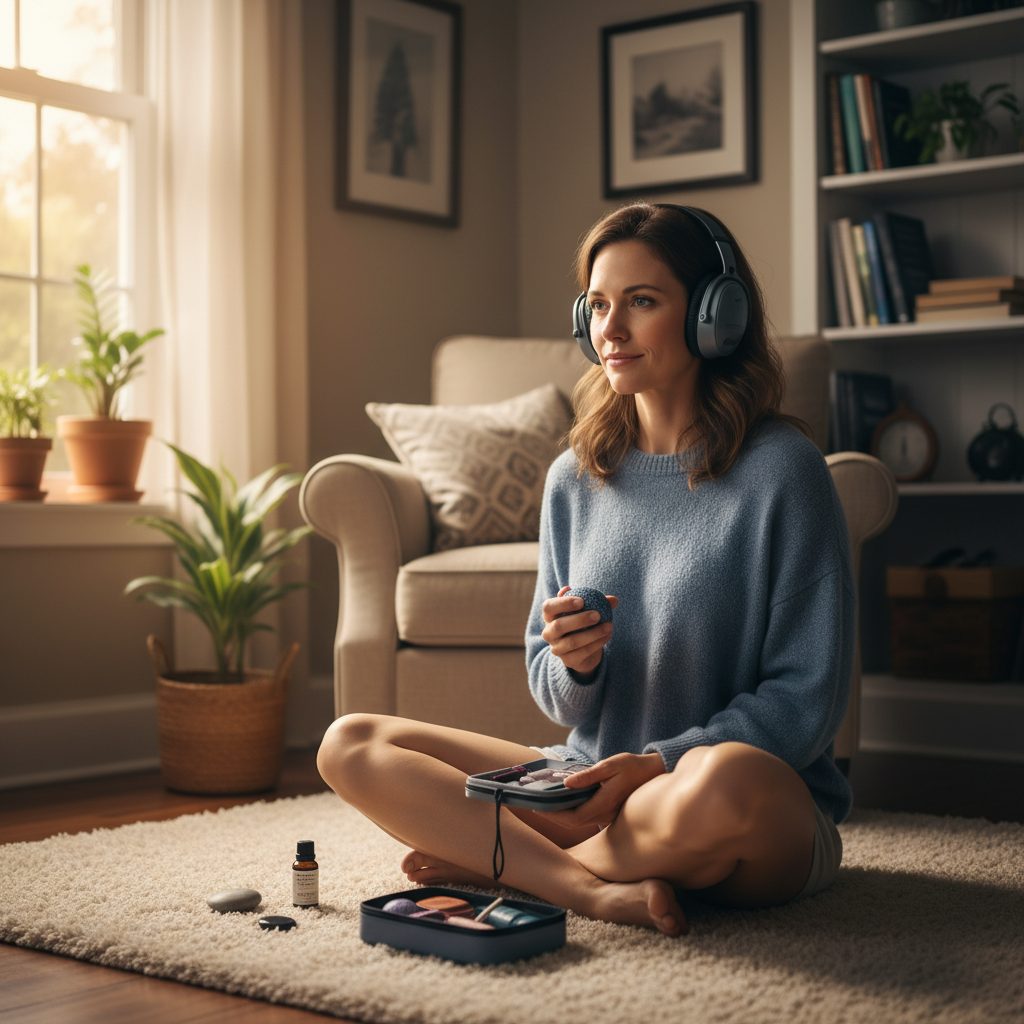
Recovery is not only about breaking free from addiction. It is about finding peace within yourself again. For many individuals navigating addiction recovery and mental health treatment, peace can feel distant at first. Stress, cravings, emotional triggers, and uncertainty often take center stage. However, with the right tools, support, and treatment approach, peace becomes something that can be rebuilt step by step.
Whether someone is in inpatient care, participating in outpatient services, or engaging in a holistic or individualized recovery program, mental wellness is the foundation for lasting change. Peace is not a final destination. It is a daily practice supported by intentional habits and compassionate care.
Why Peace Matters in Addiction Recovery
Peace of mind plays a critical role in recovery. Without it, emotional instability can lead to relapse, anxiety, or feelings of hopelessness. With it, individuals are better able to regulate emotions, make thoughtful decisions, and stay committed to their recovery journey.
In addiction recovery services, peace is often developed through structured routines, therapy, and supportive environments. These elements help reduce chaos and create a sense of safety. When individuals feel safe, they are more open to healing and personal growth.
Holistic and faith-based approaches also emphasize inner peace by addressing emotional, spiritual, and physical well-being together.
Practical Tools for Mental Wellness in Recovery
1. Mindfulness and Present Moment Awareness
Mindfulness is one of the most effective tools for creating peace in recovery. It helps individuals focus on the present rather than worrying about the past or future.
Simple practices such as deep breathing, grounding exercises, or short guided meditations can reduce anxiety and improve emotional balance. Even a few minutes a day can create noticeable improvements in mental clarity and calmness.
2. Creating a Stable Daily Routine
A consistent routine helps reduce stress and uncertainty. Knowing what to expect each day provides emotional structure, which is especially important during early recovery.
Basic routines such as waking up at the same time, attending therapy sessions, eating balanced meals, and setting aside time for rest help regulate both mind and body. Over time, this structure becomes a source of peace and stability.
3. Journaling for Emotional Release
Writing is a powerful way to process emotions and gain clarity. Journaling allows individuals to express thoughts without judgment and track their recovery progress.
This practice can help identify triggers, recognize emotional patterns, and highlight personal growth. It also provides a safe space for reflection during difficult moments.
4. Building Healthy Coping Skills
Peace in recovery often comes from knowing how to respond to stress in healthy ways. Coping skills such as walking, listening to calming music, practicing relaxation techniques, or engaging in creative activities can replace harmful behaviors.
These tools give individuals a sense of control and reduce the intensity of emotional distress.
5. Strengthening Support Systems
Connection is essential for mental wellness. Support from peers, family members, counselors, and recovery groups helps reduce isolation and build emotional resilience.
Group therapy and outpatient programs provide safe spaces to share experiences and receive encouragement. These connections remind individuals that they are not alone in their recovery journey.
Integrating Peace into Professional Treatment
Professional care plays a key role in helping individuals find lasting peace. Inpatient programs offer structured environments where stability can be rebuilt. Outpatient care allows individuals to apply coping tools in real life while maintaining ongoing support.
Individualized treatment ensures that each person receives care tailored to their unique needs. This personalized approach improves engagement and supports long term recovery outcomes.
Holistic treatment models further enhance peace by incorporating emotional, physical, and spiritual healing practices. When all aspects of wellness are addressed, recovery becomes more balanced and sustainable.
Overcoming Barriers to Peace
Finding peace in recovery is not always easy. Emotional triggers, stress, and setbacks can create challenges along the way. However, these obstacles do not define the recovery journey.
With consistent practice and support, individuals learn to manage difficult emotions without returning to old patterns. Over time, what once felt overwhelming becomes manageable.
Conclusion: Peace Is Built Through Daily Practice
Finding peace in recovery is not about achieving perfection. It is about building habits, support systems, and coping tools that create stability and emotional wellness over time. Mindfulness, routine, journaling, healthy coping skills, and strong connections all contribute to lasting change.
If you or a loved one is struggling with addiction or mental health challenges, professional support can make a meaningful difference. Compassionate programs that offer inpatient care, outpatient treatment, and individualized approaches can help guide you toward healing and stability.
You do not have to face this journey alone. With the right tools and support, peace is not only possible, it can become a daily reality in recovery.